ZX Spectrum History Book Exceeds Funding Target in Record Time
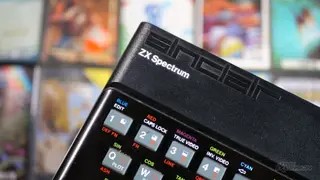
A new book titled "The Rubber-Keyed Wonder" celebrating the 45-year history of the Sinclair ZX Spectrum exceeded its £30,000 Kickstarter goal on the first day, reaching nearly £49,000 in pledges. Written by gaming historian Kim Justice, the over-200-page volume features archival material and commentary from key figures in the platform's development, plus a curated selection of 48 games that shaped the system's legacy. The book will be available in multiple formats including limited numbered collector's editions that come bundled with a 42-minute documentary.
"The Rubber-Keyed Wonder" represents a significant milestone in retro-computing documentation, bringing together archival resources and firsthand accounts from those instrumental in the ZX Spectrum's development. The book's creation by Kim Justice, an established gaming historian, suggests a scholarly approach to the platform's legacy beyond simple nostalgia. The 48-game selection curated for inclusion indicates an intentional editorial process to identify titles that genuinely influenced the system's cultural impact and technical evolution.
The collector's edition strategy—limiting production to 480 individually numbered copies paired with a documentary—demonstrates a hybrid media approach gaining traction in niche publishing. This bundling of book and film content may reflect broader trends in how retro-gaming history reaches audiences, potentially setting a template for similar projects exploring other computing platforms from earlier eras.
The book's rapid funding success could influence publisher interest in legacy computing documentation, potentially encouraging more historical projects around platforms like the Commodore 64 or Atari systems. Gaming historians and archivists may benefit from increased visibility around preservation efforts, while collectors of retro-computing memorabilia have gained a professionally-curated resource. The project may also shape how younger audiences encounter 1980s-90s gaming culture, moving beyond emulation toward formal historical analysis of the era's technological and creative significance.