Mamoru Oshii's Ghost in the Shell Now Available for Free Viewing on YouTube
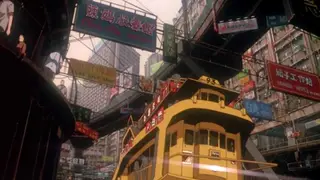
Mamoru Oshii's 1995 anime film Ghost in the Shell, based on Masamune Shirow's manga, has influenced major science fiction works including The Matrix and Avatar while remaining a landmark achievement in cyberpunk storytelling. The film follows Major Motoko Kusanagi, a cybernetic operative investigating a hacker called the Puppet Master, but diverges from its source material to explore deeper philosophical questions about consciousness and artificial intelligence. The film is currently available to watch for free on YouTube.
Ghost in the Shell stands as a watershed moment in anime's evolution, arriving during the 1990s when the medium was transitioning from hand-drawn cel animation to digital production methods. The film's visual approach simultaneously perfected traditional animation techniques while establishing new digital standards that would shape the industry's future. Its narrative departure from the original manga proved significant, replacing comedic action with philosophical inquiry into consciousness and identity in an increasingly technological world.
The film's cultural footprint extended far beyond anime circles, with major Hollywood productions drawing inspiration from its thematic exploration of artificial intelligence and digital existence. The sprawling cyberpunk setting of Newport City—inspired by dense urban environments—created an immersive world that felt authentic rather than merely serving as a backdrop for action sequences. This attention to environmental storytelling and atmospheric detail became influential across multiple mediums and creative industries.
The availability of Ghost in the Shell on YouTube may introduce the film to audiences unfamiliar with foundational science fiction anime, potentially broadening appreciation for the medium among casual viewers and students of cinema. Content creators and gaming streamers could engage with the work, potentially sparking discussions about AI ethics and consciousness in digital spaces. The free access removes financial barriers, though it may also influence perceptions of how classic films are distributed and monetized in the streaming era.