Cross-franchise auto-chess game blends beloved characters into strategic battles
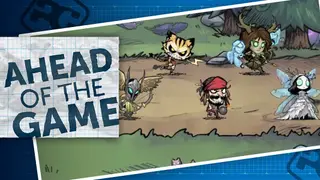
Don't Die: Survival Auto Battler combines characters from multiple intellectual properties into a single auto-chess game where players deploy heroes with distinct abilities onto battlefields that resolve automatically. The game features familiar characters reimagined with different designs and abilities, such as a petrification-capable Medusa and various other recognizable figures arranged in tactical formations. Early access is available on Google Play with the development team actively seeking community feedback and offering reward codes to participants.
Don't Die: Survival Auto Battler distinguishes itself within the competitive auto-chess genre by assembling characters drawn from disparate entertainment franchises into a single unified experience. The gameplay emphasizes tactical positioning before combat, with players arranging heroes possessing specialized abilities across the battlefield while watching battles unfold automatically. Between engagements, players manage progression through hero upgrades and collect mythical creatures that provide strategic advantages.
The development team has prioritized community involvement during early access on Google Play, actively soliciting player feedback and distributing reward codes as incentives for participation. Character reimaginings include recognizable figures adapted with modified names and abilities—such as a petrification-equipped Medusa and a renamed Hagrid character—suggesting the developers navigated potential intellectual property considerations while maintaining visual and thematic familiarity.
This title may appeal to players already invested in auto-chess mechanics who seek novelty through character variety and cross-franchise recognition. The game could influence how developers approach licensing and character integration in free-to-play mobile titles. Early access models allow smaller studios to validate concepts and build communities before full launch. The approach of blending multiple IP sources might face regulatory scrutiny, though its potential success could encourage similar experimental licensing strategies within competitive mobile gaming markets.