AI-Assisted Modding Brings PlayStation VR Platformer to Meta Quest 3
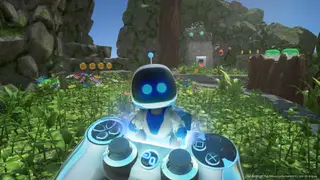
A VR modder using AI assistance has successfully ported the PlayStation VR exclusive Astro Bot Rescue Mission to Meta Quest 3 and PC VR platforms, making use of an open-source PlayStation 4 emulator. The standalone Quest 3 version includes full 6DOF tracking, native controller support, and spatial audio, though it operates at reduced visual fidelity compared to the original PS4 release. The mod represents the latest example of how artificial intelligence is accelerating VR game development and expanding access to titles previously locked to single platforms.
The mod leverages Claude, an AI assistant, to adapt shadPS4—an open-source emulator—enabling both a standalone Quest 3 build and a PC VR streaming version. The standalone Quest 3 implementation includes full six-degree-of-freedom tracking, controller remapping, and spatial audio capabilities, though the mobile processor reaches performance limits, resulting in compromised visual quality relative to the original PlayStation 4 release.
This project represents a broader trend where AI-assisted development is lowering barriers to VR game porting. Similar workflows have enabled mods for other titles like Titanfall 2, suggesting AI agents are becoming practical tools for navigating the technical complexity of game modification and emulation work that traditionally required specialized expertise.
This development could reshape game preservation and platform accessibility within VR gaming. Players may gain access to platform-exclusive titles previously unavailable on their hardware, potentially affecting purchasing decisions for VR headsets. However, the practice raises questions about intellectual property rights and developer compensation. The trend might incentivize publishers to officially port acclaimed titles across platforms, or conversely, prompt stricter technical protections—ultimately determining whether AI-assisted modding expands the VR library or faces regulatory constraints.