Pimax Unveils Crystal Pro VR Headset With Advanced Wireless Streaming and Native Standalone Capabilities
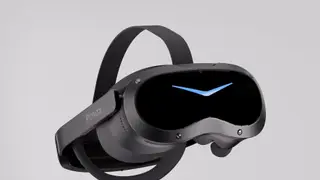
Pimax introduced the Crystal Pro, a premium VR headset priced at $1,399 featuring wireless PC VR streaming via Wi-Fi 6E and an optional 60GHz AirLink adapter with under 2ms latency. The device combines high-resolution QLED displays at 2,880×2,880 pixels per eye with eye-tracking and foveated rendering technology, while also supporting native Android and OpenXR mobile applications. The headset ships in 2027 with controllers, external battery, and Wi-Fi adapter included.
The Crystal Pro represents Pimax's answer to wireless VR streaming competition, combining multiple connectivity pathways to suit different user needs and environments. The optional 60GHz AirLink adapter serves power users seeking maximum fidelity with minimal latency, while the standard Wi-Fi 6E option provides accessibility for those with existing infrastructure. The inclusion of native Android and OpenXR support expands the headset's utility beyond traditional PC-tethered gaming, enabling standalone experiences when disconnected from a computer.
The modular design—swappable faceplates, backers, and audio components—positions Crystal Pro as a customizable platform rather than a fixed product. Users can adapt the headset for different use cases, whether prioritizing mixed reality passthrough capabilities, lighthouse tracking support, or audio preferences. This modularity approach, combined with the optional DisplayPort wired connection, creates flexibility in how the device integrates into existing gaming ecosystems.
The Crystal Pro's pricing and feature set could influence premium VR market expectations around wireless fidelity and hardware modularity. Potential buyers in professional visualization, enterprise training, and enthusiast gaming may weigh whether the advanced streaming capabilities and $1,399 entry point justify the investment relative to competitors. The headset's success could shape whether manufacturers prioritize wireless infrastructure upgrades and modular design as standard expectations rather than premium differentiators in future consumer VR hardware.