Community Survey Reveals Strong Participation in Import Gaming Culture
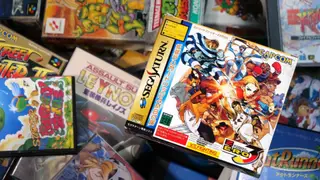
Time Extension conducted a poll asking readers about their experience with importing video games from other regions, drawing from a discussion about how widespread this practice has been historically. The survey results showed that 91% of respondents had imported games at some point, suggesting the practice was more common than some social media participants believed. The article reflects on how importing games was a significant part of gaming culture, particularly in the 1990s when specialized retailers made Japanese titles accessible to Western audiences.
The survey involved 205 respondents and found overwhelming support for the practice of purchasing games from regions outside their home territories. The timing of this discussion reflects broader shifts in gaming accessibility—while region-locking was once standard across most hardware platforms, newer systems like the Nintendo Switch have eliminated these barriers, allowing players to more easily acquire region-exclusive titles without modification or specialized equipment.
The article traces import gaming's prominence back to the 1990s, when dedicated retail shops and gaming media actively promoted Japanese releases to Western audiences. Publications like CVG and Mean Machines regularly featured coverage of import titles, creating enthusiasm among enthusiasts who had access to specialty stores. This infrastructure made acquiring foreign games considerably easier than it might be perceived today, suggesting the practice was genuinely mainstream within certain gaming communities rather than an obscure niche.
The survey results could influence how gaming historians and journalists characterize import culture's historical significance within Western gaming communities. The findings may encourage broader recognition that accessing region-exclusive games represented a meaningful practice for substantial portions of the gaming population, particularly during the console generations of the 1990s and 2000s. This reassessment might shift discussions about gaming nostalgia and community formation, as importing games appears to have functioned as a shared cultural experience that shaped enthusiast identity during key developmental periods of the industry.