Games present complex mental health picture for youth beyond simplistic criticism
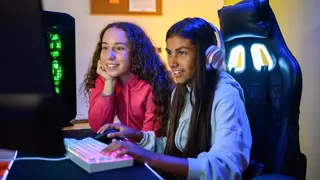
An opinion piece from Safe In Our World's charity director argues that gaming's role in children's mental health is far more nuanced than mainstream narratives suggest, noting that games can serve as beneficial spaces for socially anxious, neurodivergent, and isolated youth to develop competence and connection. While acknowledging that some gaming experiences do contribute to isolation and anxiety, particularly without adult guidance, the author contends that dismissing all gaming as harmful "screen time" overlooks substantial research and lived experience showing positive psychological outcomes. The piece emphasizes that the quality of a gaming experience depends on context rather than the game itself, including factors such as community support and parental awareness.
Safe In Our World, a mental health charity serving both game developers and players, challenges the conventional wisdom that gaming uniformly harms youth wellbeing. The organization works directly with studios and clinical professionals to develop practical mental health support systems within gaming communities. Research consistently demonstrates that gaming experiences produce variable outcomes depending on surrounding circumstances rather than the games themselves.
The distinction between beneficial and problematic gaming hinges on contextual factors including peer community quality, parental engagement, and post-gaming emotional states. For neurodivergent and socially isolated youth particularly, online gaming communities can provide rare opportunities to experience competence, leadership, and social acceptance. Without adult awareness or involvement, however, certain games and online spaces may reinforce compulsive behaviors or social withdrawal.
This perspective could influence how parents, educators, and policymakers approach youth gaming regulation. Rather than advocating blanket restrictions, the argument may encourage more individualized assessment of gaming's role in specific children's lives, potentially shifting public health messaging away from fear-based narratives. Game industry stakeholders might face less regulatory pressure if nuanced mental health discussions gain prominence. However, the piece's emphasis on parental involvement and contextual understanding may also place additional responsibility on families to actively monitor and engage with their children's gaming experiences.