ASUS Denies Warranty for RTX 5080 Over Loud Coil Whine, Citing It as Normal Behavior
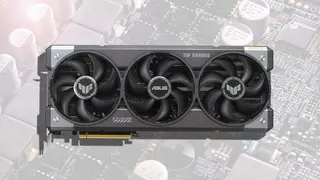
An RTX 5080 TUF OC purchased second-hand from Amazon UK was rejected for warranty service by ASUS despite exhibiting extremely loud coil whine. The company stated that audible coil whine is not considered a hardware defect and thus falls outside warranty coverage, even at high volumes. The owner, frustrated by the refusal to inspect or replace the card, highlighted the lack of clarity on warranty transferability after resale.
A user identified as u/Huzz95 in a Reddit post reported that ASUS denied warranty service for an RTX 5080 TUF OC graphics card purchased second-hand from Amazon UK for €1,340 (nearly $1,500) in late 2026. The card, only four months old at the time of the claim, exhibited extremely loud coil whine—audible even outside the PC case—which the owner documented in a video and submitted to ASUS along with the original invoice. Despite this evidence, ASUS declined both inspection and replacement, stating that audible coil whine is not classified as a hardware defect under its warranty policy. The company advised the user to contact Amazon instead, which deferred responsibility due to the resale nature of the transaction. This case echoes prior controversies around GPU noise, particularly with high-end models where users expect refined performance despite known electrical phenomena like coil whine. While ASUS maintains that such noise is normal and varies between units, the severity described—so loud it disrupts gaming sessions—raises questions about acceptable thresholds at premium price points.
The core conflict lies in the lack of clarity around warranty transferability after resale, a gap the user emphasized as unresolved. ASUS neither confirmed nor denied whether warranties extend to second owners, leaving buyers of used high-end hardware vulnerable. The company’s stance aligns with industry norms—most manufacturers exclude coil whine from coverage—but the absence of any inspect
This incident highlights growing tension between consumer expectations and technical tolerances in premium PC hardware, particularly at the bleeding edge of performance. Users investing thousands in new GPUs expect near-silent operation, yet coil whine—though electrically benign—is often dismissed as unavoidable. The case may influence how resale markets for high-end components are perceived, potentially discouraging second-hand purchases if warranties are deemed unenforceable post-sale. It also underscores a broader issue: the lack of standardized definitions for acceptable noise levels across manufacturers, which could lead to inconsistent consumer experiences and erode trust in brand reliability. A comparable precedent is the 2018 controversy around Intel’s Kaby Lake processors, where users reported excessive fan noise and thermal throttling, sparking class-action discussions over product quality at premium tiers. Here, while no legal action has been mentioned, the story could promp