McDonald's Pokémon Happy Meal Promo Set for November Launch with Mini Toy Boxes
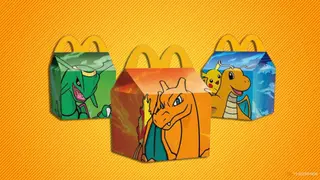
A leak reveals that McDonald’s upcoming Pokémon promotional campaign will begin on November 3 in Canada, November 5 in Australia, and November 10 in the U.S., running through December. Each Happy Meal will include a collectible mini toy box featuring various Pokémon, alongside two reprinted cards per pack. The promotion marks a return to physical card distribution after recent scalping issues.
McDonald’s is set to launch a new Pokémon-themed Happy Meal promotion beginning November 3 in Canada, November 5 in Australia, and November 10 in the United States, running through December 7 (Canada), December 9 (Australia), and December 14 (U.S.). Each Happy Meal will include a collectible mini toy box featuring one of 15 different Pokémon—ranging from iconic choices like Pikachu, Charmander, and Eevee to less common ones such as Espurr, Minccino, and Torchic—alongside two reprinted Pokémon Trading Card Game cards per pack. This marks a shift from previous promotions that included four cards per pack, and it reintroduces physical card distribution after earlier campaigns were disrupted by scalping. The cards are expected to be reprints from past sets, with possible inclusions such as Hawlucha (Scarlet & Violet), Metagross (Temporal Forces), and Palafin (Obsidian Flames), each likely marked with a McDonald’s stamp or holofoil confetti for distinction.
The move comes amid ongoing concerns about scalping, which previously led to the cancellation of card-based promotions in Japan due to fans buying meals en masse, extracting cards, and discarding food. The Pokémon Company has previously countered scalping by increasing pull rates in major releases, such as the 30th anniversary set, making it harder for resellers to profit. McDonald’s and The Pokémon Company are likely aiming to balance collectibility with accessibility, using mini toy boxes to reduce card-only speculation whil
This promotion could reshape how fast food brands approach limited-edition collectibles in a market increasingly shaped by digital resale economies. Families and younger fans may benefit from a more balanced experience that combines toys and cards without the pressure of high-stakes card hunting. However, scalpers may adapt by targeting the mini toy boxes, potentially leading to new forms of exploitation or even secondary markets for unopened sets. The broader impact may extend to other branded promotions—especially those involving physical collectibles—where companies must now consider packaging design and distribution control as key tools in deterring reselling. A comparable precedent is the 2019 Pokémon x McDonald’s campaign in Japan, which was abandoned after widespread food waste and card hoarding. That case demonstrated how poorly managed collectible drives can backfire, damaging both brand image and public trust. This new approach—replacing full card packs with toy boxes—may be