Capcom Executive Hints Resident Evil Saga Could Conclude Within a Decade
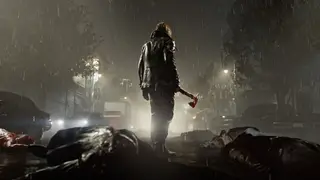
The executive producer of the Resident Evil series, Jun Takeuchi, has suggested that the franchise's overarching narrative may reach its conclusion within ten years. This comment comes amid the series' continued success, including recent remakes and the well-received Resident Evil 7: Biohazard reboot. The statement marks a notable shift in how the long-running survival horror franchise might be approaching its future arc.
In October 2026, Jun Takeuchi, executive producer of the Resident Evil series, revealed during a conversation with Kyodo News that the franchise’s overarching narrative could conclude within the next decade. This statement follows the release of Resident Evil Requiem on February 27, 2026, which Takeuchi described as marking the end of a 10-year branding cycle initiated by the 2019 remake of Resident Evil 2. He confirmed that while multiple new games are planned for the next ten years—including rumored remakes of Resident Evil 5, 6, Zero, and the original title—these will likely culminate in a definitive ending to the core storyline. The timeline suggests that the narrative arc, which began with the 1998 Raccoon City outbreak, may reach closure by 2036, though it remains unclear whether this means the end of the franchise or simply the conclusion of the original characters’ arcs. Takeuchi emphasized that the series will continue to evolve, even if the central story ends, and noted that character longevity is complicated by their prolonged exposure to viral infections and parasites.
The decision reflects a strategic pivot after years of mixed reception during the mid-2000s, followed by a resurgence beginning with Resident Evil 7: Biohazard in 2017. That reboot revitalized the franchise by shifting to first-person gameplay and emphasizing psychological horror, setting the stage for a new era. Capcom has since committed to annual releases, including titles like Resident Evil Ver
The announcement could reshape expectations within gaming culture, particularly among long-time fans who view Resident Evil as a foundational survival horror series. If the story concludes by 2036, it may prompt a wave of nostalgia-driven engagement, with players revisiting older titles and exploring expanded lore through remakes or supplementary media. This could strengthen Capcom’s brand loyalty while also influencing how other franchises approach narrative arcs—potentially encouraging more finite storytelling in long-running series. The gaming market may see increased demand for definitive collections or anniversary editions, similar to how Final Fantasy VII’s 2020 remake reinvigorated interest in the original. Comparable cases include the conclusion of Metal Gear Solid’s mainline saga with Metal Gear Solid V: The Phantom Pain, which prompted both fan celebration and debate over legacy. What remains uncertain is whether Capcom will pivot toward new IPs or maintain a spiritual succes