Echo Show 16 Launches as a Smart Display with Fire TV, AI Features, and Optional Anti-Glare Screen
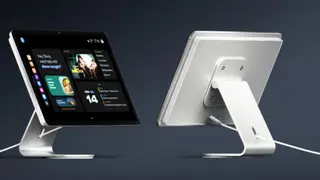
Amazon’s new Echo Show 16 is a 16-inch smart display with built-in Fire TV, offering a larger screen with slimmer bezels and an optional anti-glare Nanomatte finish. It supports interactive Alexa+ visuals, customizable screen styles, and includes a remote, though additional accessories like the stand increase the total cost significantly. The device requires a Prime membership for full AI functionality.
Amazon has launched the Echo Show 16, a 16-inch smart display with built-in Fire TV, featuring slimmer bezels and an optional anti-glare Nanomatte finish. The base model is priced at $499.99, while the anti-glare version costs $569.99, with pre-orders offering a $100 discount. The device ships later this year and includes three customizable Screen Styles—smart home dashboard, family organizer, and photo frame—alongside a remote control. A notable addition is night vision in the camera, the first for an Echo Show, though it comes with a physical kill switch for privacy. The device’s AI-powered Alexa+ service enables interactive visuals like comparison charts, but this functionality requires either a Prime membership or a $20 monthly fee. Additional accessories significantly increase cost: the standard stand is $69.99, and the swivel-and-tilt version is $124.99. With the anti-glare screen and premium stand, total cost approaches $695 before discounts. This marks a shift from earlier Echo Show models, which were often used as kitchen timers or security monitors, suggesting Amazon aims to position this device as a central smart home hub. The company’s push toward AI integration and premium hardware reflects its broader strategy to deepen user engagement through ecosystem lock-in.
The background for this launch lies in Amazon’s ongoing effort to evolve smart displays from simple assistants into multifunctional home entertainment centers. Previous models, like the Echo Show 15, ha
The Echo Show 16 could reshape expectations for what a smart display should be—blending entertainment, home management, and AI-driven interactivity in one device. Its high price and premium features may appeal to early adopters and Prime subscribers, but broader adoption hinges on whether the interactive visuals and anti-glare screen deliver tangible value beyond novelty. If successful, this could pressure competitors like Google and Apple to accelerate their own smart display innovations, potentially triggering a hardware arms race in the home AI space. The device’s reliance on Prime membership also strengthens Amazon’s ecosystem strategy, possibly deepening customer lock-in and increasing churn resistance. A comparable precedent is the original iPad, which redefined tablet use by combining media consumption with productivity—though it initially faced skepticism over cost. Here, the Echo Show 16 may follow a similar arc: seen as excessive at launch but later embraced as a central home