Virgin Galactic Unveils Apeiron, Its Next-Gen Spaceship Set for 2027 Launch
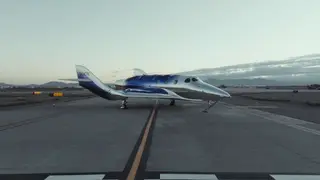
Virgin Galactic has revealed its new Apeiron spacecraft, the first of the company's Delta-class vehicles, which will undergo extensive avionics testing before its mid-2027 debut. The launch timeline has been pushed to early 2027 due to delays in software integration and validation. Apeiron is now en route from Arizona to New Mexico’s Spaceport America for final preparations.
Virgin Galactic has unveiled Apeiron, its first Delta-class spacecraft, marking a pivotal step in the company’s post-2024 transition following the retirement of its VSS Unity vehicle. The new spaceship is currently en route from the Spaceship Factory in Mesa, Arizona, to Spaceport America in New Mexico, where it will undergo final avionics software integration and validation—key steps delaying its debut from late 2026 to early 2027. This revised timeline reflects ongoing challenges in software testing, a process described as exhaustive and critical for safety and performance. Apeiron’s first commercial spaceflight is now expected in early Q2 2027, with the second Delta-class vehicle following in late Q2/early Q3 2027. The delay underscores the complexity of integrating advanced avionics systems into reusable spacecraft, especially after a two-year gap since Virgin Galactic’s last commercial flight in June 2024. The name “Apeiron” was selected through a public poll, reflecting the company’s effort to engage broader audiences amid its technical and operational recalibration.
The background reveals a company navigating post-retirement phase with legacy systems, having previously pushed back launch dates from late 2026 to early 2027. Virgin Galactic, led by CEO Michael Colglazier, aims to reestablish commercial viability through incremental progress, prioritizing safety and reliability over speed. The engineering team at Spaceport America will oversee the final validation phase
The delayed debut of Apeiron could affect public perception of Virgin Galactic’s reliability as a commercial spaceflight provider, potentially influencing consumer trust and ticket sales. As interest in space tourism grows, repeated delays may cause customers to shift allegiance to competitors with more predictable schedules. The broader space tourism market may experience ripple effects if Virgin Galactic’s setbacks signal systemic challenges in scaling reusable spacecraft systems. This mirrors the early struggles of the commercial aviation industry in the 1920s, where technical hurdles and safety concerns initially limited public adoption despite strong initial enthusiasm. Virgin Galactic’s current focus on software validation may be a strategic move to avoid catastrophic failures, but it could also slow market expansion. What to watch for next is whether the company can maintain momentum through transparent communication and demonstrate tangible progress in flight testing—key indica