TikTok Launches Must Eat to Challenge Yelp and Google Maps
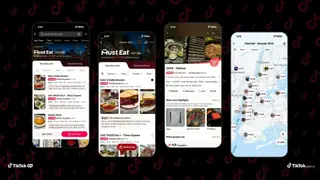
TikTok has launched Must Eat, a new in-app restaurant guide powered by 40 million user-generated videos and reviews. The feature offers curated recommendations, real-time ratings, and reservation booking, positioning itself as a social alternative to traditional review platforms. It launches with curated lists in major cities like New York, highlighting viral dining spots.
TikTok launched Must Eat on October 28, 2026, introducing an in-app restaurant guide powered by 40 million user-generated videos and reviews. The feature is currently available in select U.S. regions—New York City, Los Angeles, and the Bay Area—and offers curated recommendations under two categories: “everyday eats” and “elevated dining.” Users can browse real-time ratings, search by cuisine, distance, or availability, and access videos linked to each restaurant. The guide also enables direct reservation booking and allows users to bookmark venues. Prominent featured spots in New York include Golden Diner, known for viral pancakes, and high-demand restaurants like Semma and Via Carota. Notably, TikTok emphasized that restaurants cannot pay to be included in recommendation lists, distinguishing it from some paid placement models. This launch builds on earlier features like TikTok Go, which allowed users to book hotels and attractions via tagged locations, signaling a strategic expansion into experiential commerce.
The move reflects TikTok’s broader ambition to become a central platform for discovery beyond entertainment. Over the past several years, food content creators have reshaped restaurant menus and consumer behavior—driving demand for visually striking dishes like long cheese pulls or dramatic plating. According to TikTok’s press release, 27 million U.S. diners visited a new restaurant, cafe, or shop for the first time in the prior year due to content on the platform.
Must Eat could significantly shift consumer behavior by making discovery more visual, immediate, and emotionally resonant than traditional review systems. As short-form video becomes the dominant medium for cultural commentary, TikTok’s integration of dining experiences into its core product may further erode reliance on static reviews or third-party platforms. This could pressure Yelp and Google Maps to enhance their own content offerings with richer multimedia elements. The feature may also amplify the influence of food creators as de facto critics, potentially increasing their leverage in shaping public taste and restaurant business models. A comparable precedent is Instagram’s early impact on travel and dining trends through curated visual storytelling—though TikTok’s real-time, algorithm-driven format may be more dynamic and harder to control. What remains uncertain is whether users will trust video-based recommendations over traditional metrics like star ratings or expert reviews