Ice Pick Lodge defends invisible apple tree as intentional art, not bug, in final Pathologic 3 update
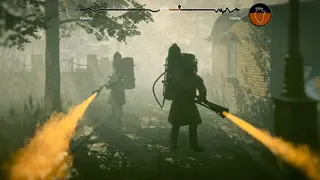
The developers of Pathologic 3 have declined to fix an infamous invisible apple tree, framing it as a deliberate artistic choice that reflects the game’s symbolic nature over technical perfection. They draw parallels to conceptual art like Duchamp’s urinal, arguing that the game’s meaning transcends functionality. This decision marks the final major update, cementing the anomaly as part of the game’s legacy.
In October 2026, Ice Pick Lodge released the final major update for Pathologic 3, a narrative-driven indie game set in a decaying, plague-ridden town where reality is malleable and truth is unreliable. The update introduced new difficulty modes, a photo mode, and additional folklore-based mechanics to combat a disease entity, but notably refused to patch an infamous invisible apple tree—a visual glitch where the trunk of an apple tree disappeared while its leaves remained visible. This anomaly, described by developers as “the most famous bug” in the game, was not fixed despite numerous player complaints. The studio defended the decision on artistic grounds, drawing parallels to Marcel Duchamp’s readymades and Joseph Kosuth’s conceptual art, arguing that the tree’s existence transcends technical function and embodies the game’s symbolic nature. Producer Alexander Souslov confirmed the glitch originated from a misrendered tree asset, which had persisted for years due to resource constraints and prioritization of narrative content over technical polish. The developers acknowledged their frustration with the tree but ultimately embraced its presence as a reflection of the game’s deeper themes—where meaning can emerge from malfunction, and where the player’s interpretation becomes part of the work.
The decision is framed as a culmination of Pathologic 3’s long-standing identity as a game that resists conventional gameplay norms. The developers reference prior critiques of video g
The controversy around Pathologic 3’s invisible apple tree could signal a growing cultural shift in how audiences perceive digital artifacts—where glitches are not just failures but potential expressions of artistic intent. This moment may influence how players and critics evaluate games that prioritize atmosphere, ambiguity, and conceptual depth over technical perfection. Indie developers, especially those working with limited resources, may feel emboldened to embrace imperfections as part of a work’s identity, particularly in narrative-driven experiences where meaning often resides in the margins. The case also raises questions about digital preservation: if a glitch becomes iconic, should it be preserved even if it undermines gameplay? A comparable precedent is the “Minecraft” cave texture bug from 2011, which inspired fan art and became part of the game’s folklore, though not officially endorsed. Here, Ice Pick Lodge has gone further by explicitly validating the anomaly as art. The