Walmart Cancels Limited-Edition Zelda Console Pre-Orders Amid Stock Shortage
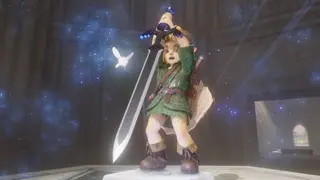
Walmart canceled pre-orders for the Legend of Zelda: Ocarina of Time-themed Switch 2 console just one day before delivery, citing stock shortages despite prior payments. Customers reported being misled by a system that typically guarantees reserved inventory, and some suspect the retailer oversold the limited edition. The consoles remain listed as out of stock, though third-party sellers are now offering them at significantly inflated prices.
Walmart canceled pre-orders for the limited-edition Legend of Zelda: Ocarina of Time-themed Switch 2 console just one day before scheduled delivery on October 28, 2026, citing an "out of stock" status despite customers having already paid. The consoles, originally priced at $500, were marketed as a special bundle tied to the upcoming remake of the iconic N64 game, set to launch on November 5, 2026. Affected buyers reported receiving automated cancellation emails, disrupting their expectations and raising concerns about Walmart’s pre-order system, which typically reserves inventory upon payment. Reddit users confirmed this is not an isolated incident, with prior reports of similar cancellations for high-demand items, suggesting a pattern of overpromising. While the product remains listed as out of stock on Walmart’s site, third-party sellers are now offering the same console for $700—nearly 40% above the original price—indicating market speculation and scalping activity. Customers who contacted Walmart customer service described being told there was “literally no console in stock,” with some calling it an “unethical sales practice.” Nintendo has not publicly commented on the cancellation, but the incident underscores growing consumer frustration with retail practices during high-demand product launches.
The situation reflects broader tensions in the game industry’s limited-edition strategy, where scarcity is used to drive hype and sales. The Ocarina of Time remake, praised in
This incident could signal a growing rift between consumer expectations and retail practices in the gaming industry, where limited availability is often used as a marketing tool. When retailers like Walmart fail to deliver on pre-order commitments—especially for culturally significant releases tied to beloved franchises—the resulting backlash may erode trust not only in that retailer but across the broader ecosystem of game merchandise sales. The inflated third-party prices suggest a thriving scalping market, which could further alienate casual fans and deepen inequality in access to exclusive content. A comparable case is the 2013 PlayStation 4 launch, where Sony’s initial stock shortages led to widespread frustration and a surge in reseller markups, ultimately prompting changes in distribution strategies. This situation may prompt similar scrutiny of Walmart’s inventory management and could influence future partnerships between retailers and publishers. Moving forward, consumers may