Krafton Launches Fan Playtest Hub to Gather Player Feedback on Future Games
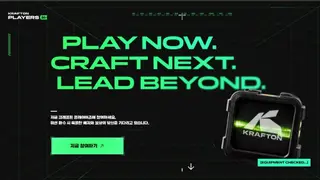
Krafton has launched the beta version of 'KRAFTON Players', a new platform allowing fans to participate in early playtests for upcoming games. Users can earn badges by completing missions and shaping game development, with plans to centralize feedback across multiple titles. The platform currently does not disclose which games will be tested or when playtest schedules will begin.
Krafton launched the beta version of 'KRAFTON Players' on October 28, 2026, introducing a new platform that invites fans to participate in early playtests for upcoming games in development. The initiative allows users to earn badges by completing missions tied to testing activities, with the goal of shaping future game development through direct player feedback. While the platform emphasizes user profiles customizable across Krafton’s titles—including PUBG: BATTLEGROUNDS and inZOI—specific details remain undisclosed: no information has been released about which games will be tested, when playtest windows will open, or how many players will be selected. The system is designed to centralize feedback at the company level rather than for individual titles, suggesting a strategic shift toward more integrated player engagement across its portfolio.
This move follows Krafton’s broader push to expand its game ecosystem beyond established franchises, with multiple new titles expected in the near future. The platform reflects a growing trend in game development where studios seek early community involvement to refine mechanics and balance before public release. While no concrete rewards beyond badges have been confirmed, the emphasis on mission completion and recognition implies an effort to incentivize sustained participation. The absence of transparency around test schedules and titles may reflect caution in managing expectations or protecting unreleased content. What remains unkn
Krafton’s 'KRAFTON Players' platform could deepen player investment in game development cycles, particularly among dedicated communities that value influence over product evolution. By rewarding participation through badges and profile customization, the company may foster a more loyal user base, potentially increasing long-term engagement across its titles. This model mirrors earlier initiatives like Ubisoft’s early access programs or Riot Games’ community testing for League of Legends, where player input shaped major updates. However, unlike those models, Krafton’s approach centralizes feedback across multiple projects without specifying which games are involved—raising questions about transparency and perceived fairness in selection. If successful, this could shift power dynamics between developers and players, making fans active co-creators rather than passive consumers. The long-term impact may extend to how esports teams and content creators engage with game updates, especially i