Solo Leveling: Ragnarok Returns With New Artist for Season 3
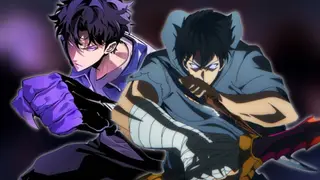
The sequel series to the globally popular manhwa 'Solo Leveling,' titled 'Solo Leveling: Ragnarok,' has officially confirmed its third season after a 10-month hiatus. The new season will be illustrated by artist Sanjimseung, who takes over from previous artist JIN. Fans are eagerly awaiting the continuation of Sung Jinwoo’s son's story in the expanded universe.
Solo Leveling: Ragnarok Season 3 has officially been confirmed after a 10-month hiatus that began on January 7, 2026, when artist JIN suspended work due to mandatory military enlistment in South Korea. The series, a sequel to the globally acclaimed manhwa *Solo Leveling*, follows Sung Suho, the son of protagonist Sung Jinwoo, and had concluded its second season with Chapter 68. On October 28, 2026, the official cover for Season 3 was unveiled, revealing the new illustrator Sanjimseung—formerly a former apprentice of DUBU—and confirming the continuation of the story from Chapter 69 onward. This marks a significant shift in artistic direction, as Sanjimseung brings a distinct visual style different from JIN’s, known for his prior work on *Ice Lord*. The transition was pre-planned, with JIN confirming in January 2026 that a successor had been chosen, though the identity remained undisclosed until now.
The broader context includes the immense cultural impact of the original *Solo Leveling* franchise, which originated as a web novel and manhwa before being adapted into a highly popular anime by Aniplex and A-1 Pictures. While the sequel series has not yet received an anime adaptation, it remains a vital extension of the universe for fans seeking deeper lore and character development. The hiatus disrupted fan engagement during a period of growing interest in Korean webtoons globally. Key stakeholders include the original creators, publishers, and the international fanbase who ha
The return of *Solo Leveling: Ragnarok* Season 3 could reinforce the growing global influence of South Korean webtoons, particularly in expanding narratives beyond their original protagonists. As fans of the franchise have shown sustained loyalty through long waits and hiatuses, this event may further validate the model of serialized digital comics with built-in fan communities. The shift in artists may also signal a broader trend in the industry—where creative transitions are managed transparently to preserve continuity, even amid personal disruptions like military service. This mirrors earlier cases such as *My Hero Academia*’s temporary delays due to creator injury, where fan trust was maintained through clear communication. While the sequel lacks an anime adaptation, its return could stimulate renewed interest in adapting it, potentially impacting streaming platforms and merchandise markets. What to watch for next is whether Sanjimseung’s style resonates with long-time readers, and