Attack on Titan 3's Creative Vision Draws Unexpectedly from Fire Emblem: Three Houses
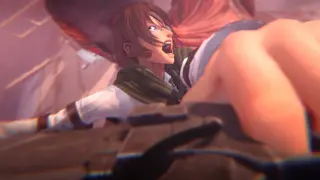
The director of Attack on Titan 3 has revealed that the game's narrative and character dynamics were influenced by Fire Emblem: Three Houses, particularly in how factions and moral choices shape player experience. This connection highlights a deeper thematic alignment between the two titles beyond their differing genres. The revelation adds new context to the game's development and its approach to storytelling.
In October 2026, Hideo Suzuki, director of *Attack on Titan 3*, revealed during a TheGamer interview that the game’s character relationship system was directly inspired by *Fire Emblem: Three Houses*, particularly its tea-time interactions and social bonding mechanics. Released December 10, 2026, by Koei Tecmo, the title marks the first adaptation of the anime’s Final Season and introduces evolved combat and narrative depth. A key innovation is the "Advice Event" system, where players build trust with cadets through dialogue and gifts, unlocking special skills and playable status upon success—mirroring *Three Houses*’ established mechanics. Suzuki acknowledged that Koei Tecmo’s prior involvement in developing *Three Houses* gave the team direct insight into what resonated with players, noting the emotional engagement these interactions fostered beyond genre expectations. The revelation underscores a cross-franchise creative synergy within Koei Tecmo, highlighting how narrative design principles can transcend genre boundaries.
This development follows earlier entries in the series—*Attack on Titan* (2015) and *Attack on Titan 2* (2019)—which focused primarily on fast-paced combat and linear storytelling. The shift toward relational depth reflects a broader industry trend toward player-character emotional investment, seen in titles like *Persona 5 Royal* and *Disco Elysium*. Koei Tecmo’s dual role as developer of both *Three Houses* and the new *Attack on Titan* title positi
The integration of *Fire Emblem: Three Houses*’ social mechanics into *Attack on Titan 3* could signal a broader industry move toward emotional storytelling in action games, potentially reshaping player expectations across genres. Fans of narrative-heavy experiences may welcome deeper character connections, while purists might perceive the shift as diluting the franchise’s intensity. This approach may influence other anime-based adaptations to prioritize relationship systems, especially those developed by studios with cross-title expertise like Koei Tecmo. A comparable precedent is *The Last of Us Part II*, where moral complexity and character bonds redefined player engagement in a traditionally combat-focused genre. If successful, this model could encourage publishers to invest more in narrative infrastructure across franchises. However, it remains uncertain whether such mechanics will sustain long-term interest or merely serve as a novelty. What to watch for is how critics and player