Explore Every Region and Reserve in Planet Zoo 2's Expanded World Map
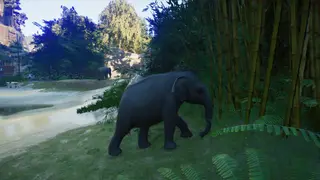
Planet Zoo 2 features a diverse selection of maps across six continents and Antarctica, including both zoo layouts and wildlife reserves. Each map offers unique biomes such as tundra, desert, tropical, and temperate zones, allowing players to design habitats tailored to specific ecosystems. The game emphasizes conservation through realistic environmental planning.
Planet Zoo 2, released on October 13, 2026, by Frontier Developments, expands its world map across six continents and Antarctica, offering players a total of 14 distinct zoo and wildlife reserve locations. The game features seven biomes—Tundra, Taiga, Grassland, Temperate, Desert, Tropical, and Antarctic—each represented across multiple regions including Africa, Asia, Europe, North America, South America, Oceania, and the polar regions. Players can design zoos in specific biomes tailored to animal needs, with terrain and space considerations influencing habitat suitability. The Wildlife Reserves section includes six dedicated ecosystems: Tanzania Reserve, Great Rift Valley Reserve, Sumatra Reserve, Sweden Reserve, Scottish Highlands, and Poland Reserve, each simulating real-world conservation efforts by reintroducing species into managed natural environments. These maps emphasize realism in environmental planning, aligning gameplay with actual ecological principles. The game’s design reflects a growing industry trend toward integrating education and conservation awareness into simulation games.
The development of Planet Zoo 2 builds on the success of its 2019 predecessor, which established a niche for detailed animal care simulations. Frontier Developments, known for titles like FTL: Faster Than Light and Planet Coaster, has leveraged player feedback and evolving interest in environmental stewardship to deepen the simulation’s educational value. The inclusion of real-world b
Planet Zoo 2’s expansion into global biomes and conservation-focused gameplay could influence public understanding of ecological systems and animal welfare, particularly among younger audiences who engage with simulation games as a form of informal education. By allowing players to manage habitats across diverse climates—from the tundra of Antarctica to tropical rainforests in Sumatra—the game may foster empathy for wildlife and raise awareness about climate change impacts on ecosystems. This aligns with broader trends in gamified learning, such as how titles like SimCity or Minecraft Education Edition have been adopted in classrooms. The game’s success could encourage other developers to embed environmental themes more deeply into mainstream titles, potentially shifting industry norms. However, the long-term societal impact depends on whether these simulations translate into real-world action—such as increased support for conservation organizations or policy advocacy. While Planet Zo