Decisions Shape Fate: All Possible Endings Revealed in The Wolf Among Us Remastered
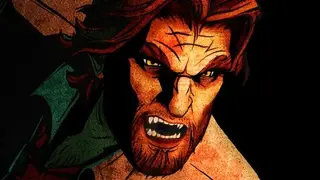
The remastered version of The Wolf Among Us features multiple endings determined by key player choices, particularly during the final confrontation with the Crooked Man. Players can choose to kill him, arrest him, or fail to disarm him—each leading to different outcomes for Bigby Wolf and Fabletown. The game also includes a non-canon ending where Bigby dies, requiring players to retry their decision after the credits.
The Wolf Among Us Remastered, released in October 2026, centers on a pivotal confrontation with the Crooked Man during the trial sequence, where player choices directly determine one of three primary endings. If players choose to kill the Crooked Man after disarming him, Bigby Wolf is met with widespread community backlash, particularly from Snow White, who questions his judgment and future role as sheriff. Despite this, Snow White and Bigby remain in power, especially after Nerissa provides incriminating testimony about the Crooked Man’s orders to murder Faith and Lily. The body is then disposed of in the well, and a post-trial scene reveals further truths about Faith’s death and the fates of other Fabletown residents. A fourth, non-canon ending occurs if players fail to disarm the Crooked Man, resulting in Bigby’s death—this triggers a forced retry after the credits, emphasizing the weight of failure. Another branching path arises when players select “F*** this, I’m leaving,” which prevents Nerissa from arriving and alters the trial outcome entirely. The game’s structure reflects Telltale’s signature narrative design, where moral ambiguity and consequence-driven choices shape the story’s arc.
The background to this moment lies in earlier decisions throughout the five-episode series: Bigby’s handling of the Lily and Faith murders, his relationship with Snow White, and the community's growing distrust. The trial scene is the culmination of these tensions, testing whether Big
The game’s emphasis on branching outcomes may reinforce broader cultural conversations about accountability, justice, and the consequences of power—particularly in narratives where authority figures must balance law enforcement with personal ethics. As players confront morally complex choices, they may reflect on real-world parallels like police reform or judicial overreach, especially given the game’s setting within a marginalized community governed by flawed systems. The non-canon death ending could serve as a narrative device to critique fatalism in leadership, suggesting that failure is not final but requires reevaluation. Comparable cases include games like *The Walking Dead* or *Detroit: Become Human*, where player decisions ripple across storylines and influence community dynamics. The impact on gaming culture may extend beyond individual playthroughs, influencing how developers frame ethical dilemmas in narrative-driven titles. What to watch for next is whether remastered versi