Choosing Between Two Apartments in The Wolf Among Us Remastered Alters the Story's Path
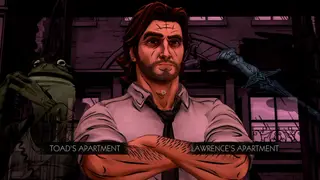
In the remastered first episode of The Wolf Among Us, players must choose between visiting Toad’s or Lawrence’s apartment first, with each decision leading to different investigative outcomes and character fates. Visiting Lawrence’s apartment first yields a more rewarding path with better clues and narrative progression. The choice reflects the game's emphasis on player-driven storytelling.
In the remastered first episode of *The Wolf Among Us*, players face a pivotal choice early in the investigation: visit Toad’s or Lawrence’s apartment first. Choosing Lawrence’s apartment first leads to a critical revelation—Prince Lawrence, seemingly dead, is actually alive after attempting suicide due to guilt over Faith’s situation. His recovery is triggered when Snow White approaches him, and he awakens mid-scene, providing vital narrative momentum. Players then witness Tweedle Dee break into Lawrence’s home, prompting a tense hiding sequence in the closet where players can choose to confront him—though doing so results in his escape due to interference from Tweedle Dumb. Afterward, visiting Toad’s apartment reveals deeper deception: Toad initially denies wrongdoing but eventually confesses under pressure after players follow a specific sequence of clue examinations and dialogue choices, including noting the broken lamp, blood stain, fireplace poker, and inconsistencies in his story. He admits Tweedle Dee was present and fled to Lawrence’s place, which explains the earlier encounter. In contrast, visiting Toad’s first results in wasted time—players see Tweedle Dee from afar but cannot apprehend him, and must still go through the full confession sequence with no benefit. The only difference is that Toad does not later criticize Bigby for delayed arrival. This structure underscores Telltale’s design philosophy: player decisions shape narrative outcomes, with branching paths
The decision to prioritize Lawrence’s apartment over Toad’s in *The Wolf Among Us Remastered* reflects a broader cultural shift toward player agency in narrative-driven games, where choices are no longer just cosmetic but materially alter outcomes. This mechanic could influence how players approach similar titles, especially those in the adventure and detective genres, potentially raising expectations for meaningful branching paths. The game’s emphasis on consequence may also affect how developers design story structures in future remasters or sequels, possibly leading to more dynamic re-releases that reward exploration and strategic thinking. Comparable to *Mass Effect*’s Paragon/Renegade system or *Detroit: Become Human*’s branching narratives, this moment exemplifies how small decisions can ripple through a story, reinforcing player investment. However, the impact may be limited to niche audiences interested in narrative depth rather than mainstream players focused on action or prog